
Introduction: Why Your WooCommerce Store Needs a Performance Revolution
Over 53% of mobile users will abandon a page that takes longer than three seconds to load. For ecommerce businesses running on traditional WooCommerce, this statistic represents not just a technical failure, but a significant loss of revenue and customer trust. The good news is that you don't need to rebuild your entire online presence from scratch. By decoupling your frontend with React.js from your backend (WordPress with WooCommerce), you can solve the performance bottlenecks inherent in traditional WooCommerce architecture while preserving your existing content management investment. This approach represents the future of WooCommerce—a high-speed, interactive shopping experience that keeps customers engaged and converts better than ever before.
This guide will demonstrate how transforming your WooCommerce site into a headless, React-powered experience delivers dramatic speed improvements, enhanced user engagement, and future-proof scalability. We'll explore the technical pillars of this transformation, analyze how WooCommerce REST endpoints enable seamless integration, optimize caching, and provide actionable insights to help you gain a competitive edge in today's demanding ecommerce landscape.
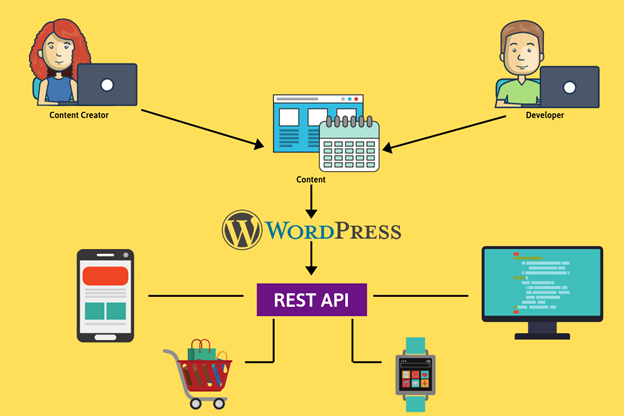 Source: www.clariontech.com
The Modern Ecommerce Landscape: Why Traditional WooCommerce Falls Short
Before examining solutions, let's understand the problem. According to recent studies, 64% of online shoppers will leave websites that take longer than three seconds to load. In today's market, every millisecond directly impacts conversion rates and customer satisfaction—making frontend performance a critical business priority.
Traditional WooCommerce sites often suffer from several performance bottlenecks:
- Heavy frontend frameworks that slow down page rendering and increase time-to-interactive
- Static page generation that struggles with dynamic content changes and real-time updates
- Inefficient browser-based rendering for complex ecommerce features like product filtering and cart management
- Limited frontend customization that restricts innovative design and user experience improvements
The solution lies in adopting a headless WordPress architecture that separates your backend (WordPress with WooCommerce) from your frontend (React.js application). This approach allows you to build a highly optimized, interactive shopping experience while retaining the familiar WordPress content management system you already know and trust. With proper cache management and efficient use of REST endpoints, you can dramatically improve load times and responsiveness.
Source: adhithiravi.medium.com
Unleashing Performance: The Speed Revolution with React.js
The most compelling reason to transform your WooCommerce site with React.js is the dramatic speed improvement you'll achieve. Modern ecommerce websites demand instant responsiveness to keep customers engaged and prevent cart abandonment. Performance optimization directly correlates with revenue—every second of improvement can boost conversions by up to 20%.
Server-Side Rendering vs. Client-Side Rendering
Traditional WordPress sites typically use server-side rendering, meaning the entire page is assembled on the server and sent to the browser as HTML While this approach works for simple content sites, it becomes inefficient for complex ecommerce platforms with dynamic product catalogs and frequent updates.
React.js enables client-side rendering, where the initial HTML payload is minimal, and most page content is generated by JavaScript in the browser. This approach offers three distinct advantages:
- Faster initial load times because only essential HTML is sent to the client
- Improved user experience with instant interactivity after the initial render
- Reduced server load since the frontend handles most rendering tasks
Code Splitting and Lazy Loading
React's component-based architecture allows for efficient code splitting, where only the necessary JavaScript modules are loaded when needed. This technique significantly reduces initial page load times and improves overall speed performance.
For ecommerce sites, lazy loading means product images, customer reviews, and related product recommendations load progressively. Users see the most important content first—product title, price, and "Add to Cart" button—while supplementary resources load in the background. The result is a perceived speed that keeps customers engaged from the moment they land on your site.
Virtual DOM for Efficient Updates
The Virtual DOM (Document Object Model) is a key technology behind React's performance advantages. Instead of directly manipulating the browser's DOM, React creates a lightweight copy in memory and efficiently updates only the elements that have changed.
This approach minimizes the number of browser reflows and repaints, resulting in smoother interactions and faster response times. For ecommerce sites with complex product catalogs, filtering options, and dynamic cart updates, the Virtual DOM makes a substantial difference in user experience. When a customer adds an item to their cart, only the cart icon updates—not the entire page.
Frontend Optimization Strategies for Maximum Impact
Transforming your WooCommerce site into a React-based application opens optimization opportunities that were previously difficult or impossible with traditional WordPress approaches. These strategies focus on frontend performance improvements that directly benefit user experience.
Image Optimization and Progressive Loading
Ecommerce sites are heavily dependent on product images, which can dramatically impact page load times if not optimized properly. With React, you can implement advanced image optimization techniques:
- Responsive images that adapt to different screen sizes and resolutions
- Image compression that reduces file size without compromising visual quality
- Lazy loading that delays loading images until they appear in the viewport
- WebP format support which offers 25-35% better compression than traditional formats like JPEG or PNG
Advanced Caching Strategies for Ecommerce Success
Caching plays a crucial role in improving website performance and reducing server load. With React and headless WordPress, you can implement sophisticated caching strategies that dramatically improve speed:
- Browser caching stores static assets locally on the user's device for faster repeat visits
- CDN caching delivers content from servers closest to the user's geographic location
- Server-side caching stores frequently accessed API responses to reduce database queries
- Cache invalidation ensures users always receive the latest content when products or prices change
- Fragment caching allows specific parts of pages to be cached independently while other sections remain dynamic
Code Splitting and Component Architecture
The modular nature of React components allows for efficient code splitting, where only the necessary JavaScript files are loaded when a specific page or feature is accessed. This significantly reduces initial page load times and improves overall performance.
For ecommerce sites, this means product pages, cart pages, and checkout processes can each load independently with minimal JavaScript overhead. When a customer navigates from a product page to their cart, only the cart-specific components need to load—resulting in faster page transitions and a smoother shopping experience.
Headless WordPress: The Architecture Driving the Future of WooCommerce
The headless approach represents a fundamental shift in how we think about web development. By separating the backend (WordPress with WooCommerce) from the frontend (React), you gain unprecedented flexibility and control over your ecommerce experience. This architecture is widely considered the future of WooCommerce because it solves longstanding performance and scalability challenges.
Content Management Independence
With headless WordPress, your content management system remains independent of your presentation layer. This separation means:
- WordPress handles content creation and management exclusively, including product catalogs and inventory
- React handles the user interface and user experience independently for optimal performance
- You can use any frontend technology including React, Vue, Angular, or even native mobile frameworks
- Content updates are decoupled from design changes, allowing faster iteration without breaking the user experience
Future-Proof Your Ecommerce Strategy
The headless architecture provides significant advantages for businesses that need to adapt to changing technologies and market demands. As new frontend technologies, you can easily switch presentation layers without disrupting your backend systems.
This flexibility ensures your ecommerce strategy remains relevant and competitive in an ever-evolving digital landscape. When a new JavaScript framework gains popularity, you can rebuild your frontend while keeping your product catalog, customer data, and order management intact. This adaptability is a key reason why headless WordPress represents the future of WooCommerce.
Enhanced Security and Scalability
By separating frontend and backend systems, you can implement more robust security measures and scale your infrastructure more effectively. Headless WordPress allows you to:
- Implement microservices architecture for better scalability and fault isolation
- Use dedicated hosting optimized for frontend and backend separately
- Enhance security through API gateways that authenticate and filter requests
- Scale components independently—scale your frontend during traffic spikes without affecting your backend
Analyzing WooCommerce REST Endpoints: The Building Blocks of Modern Ecommerce
The success of your React-based ecommerce site depends heavily on how effectively you utilize WooCommerce REST endpoints. These endpoints provide the bridge between your WordPress backend and React frontend, enabling seamless data exchange and functionality. Understanding and optimizing these endpoints is crucial for achieving the speed and interactivity that customers expect.
Understanding WooCommerce REST API
WooCommerce's REST API provides a comprehensive set of REST endpoints that allow developers to interact with your ecommerce data programmatically. The key endpoints include:
- Products endpoint for managing products, variations, and attributes
- Orders endpoint for handling customer orders and transaction history
- Customers endpoint for user accounts, profiles, and authentication
- Categories and tags endpoints for organizing product content
- Reviews endpoint for managing customer feedback and ratings
Implementing Efficient Data Fetching
With React, you can implement sophisticated data fetching strategies that optimize performance and reduce API overhead:
- Data caching to avoid unnecessary API requests for frequently accessed information
- Pagination for handling large product catalogs efficiently
- Conditional loading based on user actions and navigation patterns
- Error handling that gracefully manages API failures without breaking the user experience
- Request deduplication to prevent multiple identical API calls during complex interactions
Real-time Updates and Notifications
Modern ecommerce demands real-time functionality, and REST endpoints enable this capability when combined with websockets or long-polling techniques. With proper implementation, you can:
- Show real-time inventory updates when products are running low
- Display order status changes instantly after purchase
- Push notifications to users about shipping updates or back-in-stock items
- Update cart totals dynamically as customers add or remove items
Transforming Specific Ecommerce Features with React
Let's examine how React can improve specific ecommerce features and enhance the overall shopping experience. Each improvement contributes to the overall speed perception and user satisfaction that defines the future of WooCommerce.
Product Pages and Navigation
Traditional product pages often suffer from slow loading times and limited interactivity. With React, you can create:
- Dynamic product search with instant results as users type
- Interactive product galleries with smooth image transitions and zoom functionality
- Related product recommendations based on browsing behavior and purchase history
- Product comparison tools with side-by-side views of specifications and pricing
Shopping Cart and Checkout Experience
The checkout process is critical for conversion rates, and React can significantly improve this experience:
- Real-time cart updates without page reloads when customers modify quantities
- Dynamic shipping cost calculations based on location and cart contents
- Progressive checkout with step-by-step guidance and validation
- Payment method selection with instant validation and error feedback
User Accounts and Personalization
Modern ecommerce sites require sophisticated user accounts and personalization:
- Dynamic user dashboards with personalized product recommendations -Saved wishlists and** with real-time price tracking
- Order history with quick reurchase options for repeat customers
- ized product recommendations based on browsing history and purchase patterns
Business Benefits: Why This Transformation Makes Financial Sense
Beyond technical performance improvements, transforming your WooCommerce site with React.js and headless WordPress delivers measurable business benefits that justify the investment. Understanding these returns is essential for any business evaluating the future of WooCommerce.
Increased Conversion Rates
Studies consistently demonstrate that faster websites lead to higher conversion rates. Reducing page load time from three seconds to under one second can yield measurable improvements in your conversion metrics. For a site generating $100,000 in monthly revenue, even a 1% conversion improvement translates to an additional $12,000 annually. Speed is directly tied to revenue.
Enhanced User Engagement
Interactive features like smooth product galleries, dynamic filtering, and real-time cart updates keep users engaged longer on your site. Increased engagement time correlates with higher likelihood of purchase and repeat visits. When customers enjoy browsing your site, they're more likely to explore additional products and complete larger orders.
Better Mobile Experience
With React's responsive design capabilities, your ecommerce site will perform well on mobile devices, which now account for over 50% of all ecommerce traffic. Mobile-optimized sites achieve higher conversion rates from smartphone users and benefit from Google's mobile-first indexing. Proper cache management ensures mobile users get the fastest possible experience.
Improved SEO Performance
While some business owners worry that headless WordPress might harm SEO, modern implementations actually improve search engine performance through:
- Improved page speed, which is a confirmed Google ranking factor
- Better content management through structured data and semantic markup
- Structured data implementation for rich snippets in search results
- Mobile-friendly design, which Google prioritizes in its ranking algorithm
Case Studies: Real Businesses, Real Results
Let's examine real-world examples of businesses that have successfully transformed their WooCommerce sites using React and headless architecture. These case studies demonstrate the tangible impact of frontend optimization on business outcomes.
The Furniture Retailer
A mid-sized furniture retailer transformed their WooCommerce site into a React-based application. The results after implementation:
- **50% reduction in page load times from 4.2 seconds to 2.1 seconds
- 28% increase in conversion rate as customers experienced faster browsing
- 40% improvement in mobile performance metrics through better cache management
- 15% reduction in bounce rate as more visitors stayed to explore products
The Fashion Brand
A fashion retailer with over 5,000 SKUs implemented a headless architecture with React. Their transformation achieved:
- 60% faster product page loading compared to their previous WordPress theme
- Enhanced product filtering capabilities that improved navigation efficiency
- 25% increase in average session duration as customers engaged with interactive features
- 35% improvement in mobile checkout completion rates
The Electronics Store
An electronics retailer transformed their site after struggling with slow product pages for their 10,000+ item catalog. The results:
- 40% improvement in checkout completion due to the streamlined, real-time experience
- Enhanced product comparison features that helped customers make informed decisions
- Better inventory management visibility with real-time stock updates via REST endpoints
- 22% increase in customer satisfaction scores based on post-purchase surveys
Implementation Roadmap: A Step-by-Step Approach
Transforming your WooCommerce site requires careful planning and execution. Here's a recommended approach to ensure a smooth transition to the future of WooCommerce.
Phase 1: Assessment and Planning
Start by conducting a thorough assessment of your current site:
- Performance analysis using tools like Google PageSpeed Insights and Lighthouse
- Content inventory to identify what content needs to be migrated
- Technical audit to identify potential integration issues with REST endpoints
- Business goal alignment to ensure the transformation supports your objectives
Phase 2: Technical Implementation
The implementation process typically involves:
- Setting up a headless WordPress environment with the necessary plugins and configurations
- Creating React components for key ecommerce features like product pages, cart, and checkout
- Implementing REST API calls for data integration between frontend and backend
- Developing caching strategies for performance optimization
- Setting up a content delivery network (CDN) for global performance
Phase 3: Testing and Optimization
Comprehensive testing is crucial to ensure the transformed site meets performance and usability standards:
- Load testing to verify scalability under peak traffic conditions
- User testing to identify usability issues before launch
- Performance benchmarking comparing the new site against the current site
- SEO validation to ensure search visibility is maintained or improved
Common Challenges and Practical Solutions
While the benefits are clear, transforming your WooCommerce site comes with challenges that require careful management. Being aware of these obstacles helps ensure a successful transition to the future of WooCommerce.
Learning Curve
Developers need to understand both WordPress development and React.js frameworks. This requires investment in training and potentially hiring specialized talent. Solution: Start with a small pilot project to build internal expertise before committing to a full-scale transformation.
Integration Complexity
Connecting frontend and backend systems requires careful API management and security considerations. Solution: Work with developers who have experience in both WordPress REST API and React integration to avoid common pitfalls with REST endpoints.
Content Migration
Migrating existing content from WordPress to the new React frontend requires planning and execution to maintain SEO and user experience. Solution: Implement a phased migration approach, starting with the most critical pages and testing SEO impact before moving forward.
Maintenance and Updates
Keeping both WordPress backend and React frontend up to date can be more complex than managing a traditional site. Solution: Establish clear update protocols and automated testing procedures to ensure compatibility between systems.
The Future of Ecommerce: What's Coming Next?
The combination of React.js and headless WordPress is just the beginning of what's possible in ecommerce development. As technology evolves, we can expect to see the future of WooCommerce include:
- More sophisticated AI-powered recommendations that personalize the shopping experience
- Advanced personalization features that adapt content based on individual user behavior
- Voice commerce integration for hands-free shopping experiences
- Enhanced AR/VR shopping experiences that let customers visualize products in their homes
- Real-time inventory management across multiple sales channels and physical locations
Key Takeaways: Why Transform Your WooCommerce Site?
Performance is critical to revenue. Faster sites lead to higher conversion rates, better user satisfaction, and improved SEO rankings.
Headless architecture offers unparalleled flexibility. Separating backend from frontend gives you better control, easier scaling, and the ability to adapt to new technologies.
React provides modern development capabilities. Its component-based architecture enables efficient, maintainable code that can be updated incrementally.
WooCommerce REST endpoints provide the integration bridge. They enable seamless communication between your WordPress backend and React frontend for real-time data exchange.
Business benefits justify the investment. Improved conversion rates, enhanced user engagement, and better speed performance deliver measurable ROI.
Next Steps: How to Begin Your Transformation
If you're ready to transform your WooCommerce site into a modern, high-performance ecommerce platform, here's what you can do next:
- Schedule a consultation with experts who specialize in React and headless WordPress implementations
- Conduct a technical assessment of your current site to identify specific areas for improvement
- Create a transformation roadmap that aligns with your business goals and budget constraints
- Invest in training or hire specialized developers who understand both WordPress and React technologies
- Start with a pilot project to test the approach before committing to full-scale implementation
Conclusion: Embrace the Future of Ecommerce
The transformation from traditional WordPress sites to modern React-based ecommerce platforms represents a significant shift in how businesses approach online retail. By embracing headless WordPress architecture and leveraging the power of React.js, you're not just improving your website's speed and performance—you're creating a more engaging, personalized, and scalable experience that adapts to the evolving expectations of your customers. This is undeniably the future of WooCommerce.
The future of ecommerce is interactive, fast, and highly personalized. By investing in transforming your WooCommerce site today, you're positioning your business for long-term success in an increasingly competitive marketplace. The technology is ready, the tools are available, and the benefits are proven. The question isn't whether to make this transformation, but when. With the right frontend optimization, cache strategies, and utilization of WooCommerce REST endpoints, you can build an ecommerce powerhouse that outperforms the competition.
Ready to Build Your Ecommerce Powerhouse?
Don't let an outdated website hold your business back. The time to modernize your ecommerce experience is now. Our team specializes in transforming WooCommerce into high-performance, interactive platforms using React.js and headless architecture.
Ready to take your ecommerce business to the next level? We're here to help you build a faster, more engaging shopping experience that drives conversions and grows your revenue. Hire us for a free consultation to discover how we can bring your vision to life.
Schedule your consultation now: https://alisaleem25.com/
Let's build the future of your ecommerce business together.




0 comments:
Post a Comment