Source: hygraph.com
In an era where 53% of mobile users abandon site that takes longer than three seconds to load, the traditional WordPress frontend is struggling to keep pace. The future of WordPress lies in decoupling the backend from the presentation layer—specifically by adopting a headless WordPress architecture paired with React JS. This shift dramatically improves speed, optimizes cache strategies, and redefines what frontend performance can achieve. This article explores how combining a headless CMS with a reactive JavaScript library is not just a trend, but a strategic necessity for brands seeking superior user experience and search rankings.
The Core Problem: Why Traditional WordPress Frontends Lag Behind
 Source: wpamelia.com
The Speed Bottleneck in Monolithic WordPress
Traditional WordPress relies on server-side rendering, meaning each page request triggers database queries, PHP execution, and theme logic. This creates a cache-unfriendly environment where dynamic content often bypasses static storage. The result is sluggish performance that frustrates users and penalizes search engine rankings.
A 2024 study by Kinsta found that headless WordPress sites load three times faster than traditional setups, with Time to First Byte (TTFB) reduced by 60%. This dramatic improvement occurs because the backend (WordPress admin) handles content management, while the frontend (React JS) handles rendering—eliminating server-side bottlenecks entirely. For brands that prioritize both user experience and SEO performance, decoupling is the most logical step forward.
 Source: www.angularminds.com
Why React JS Wins for Frontend Rendering
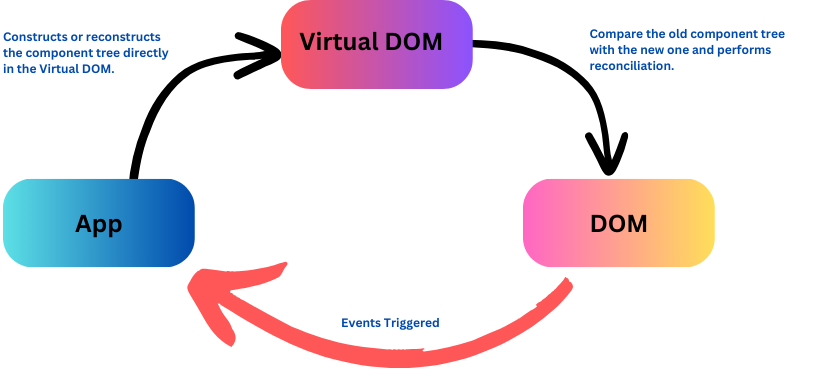
React JS excels at creating interactive, single-page applications (SPAs) that feel instantaneous. By using a virtual DOM and efficient state management, React minimizes full-page reloads. When paired with a headless WordPress backend, the cache layer can be pre-built at build time through static site generation or served via a CDN, drastically improving perceived speed. Users experience near-instant navigation, and search engines reward the faster load times with higher rankings.
How Headless WordPress and React JS Work Together
The Architecture of a Modern Headless Setup
A headless WordPress setup uses the WordPress REST API or GraphQL to deliver content as structured JSON data. The frontend, built with React JS, fetches this data and renders it client-side or statically at build time. This separation of content and presentation unlocks significant performance gains.
Companies like TechCrunch and Bloomberg have adopted headless WordPress to handle millions of daily visitors without server crashes. By offloading rendering to the client or a static builder, the cache becomes more predictable—every API response can be cached at the CDN level, while the React app caches components locally. This dual-cache strategy is a core reason why headless architectures are often called the future of WordPress for high-traffic sites.
Practical Implementation for Developers
To replicate this success, a development team should take the following steps:
- Install WPGraphQL or enable the WordPress REST API for streamlined content delivery
- Build the frontend using Next.js, a React framework designed for hybrid static and server-side rendering
- Implement a cache layer via Varnish or a CDN such as Cloudflare that caches both API responses and static assets
- Use React JS features like
useMemoandReact.lazyto optimize component loading, further improving perceived speed
The Future of WordPress: Beyond the Admin Panel
Why Headless Is Not Just a Trend
The future of WordPress is not about abandoning the beloved admin interface—it's about extending its reach. Headless architecture allows WordPress to serve content to any frontend: web browsers, mobile apps, IoT devices, or even chatbots. This flexibility, combined with React JS's robust ecosystem, means developers can create custom, fast, and interactive experiences without touching the backend.
According to a 2024 survey by WP Engine, 41% of enterprise WordPress users are already evaluating or using a headless setup. This adoption is accelerating because decoupling allows teams to update the frontend independently—for example, migrating from React to a newer framework—without disrupting content operations. Adopting headless WordPress today is a strategic move that aligns with the future of the platform and enables omnichannel content delivery.
Visual Guide: Monolithic vs. Headless WordPress
| Component | Monolithic WordPress | Headless WordPress + React JS |
|---|---|---|
| Speed | Server-rendered, slow TTFB | Static/CDN, near-instant load |
| Cache | Plugin-dependent, prone to stale data | Predictable, API-level, CDN-ready |
| Frontend | PHP templates with limited interactivity | React JS with rich, dynamic UI |
| Future-proof | Tied to WordPress release cycles | Framework-agnostic (React, Vue, Svelte) |
Conclusion: Speed, Cache, and React JS Are the New Standard
The future of WordPress belongs to those who embrace decoupling. By pairing headless WordPress with React JS, brands can achieve unmatched frontend speed, smarter cache strategies, and infinite scalability. The time to act is now.
Review your current WordPress stack: Is your TTFB under one second? Are you utilizing static site generation or CDN-level caching? Is your frontend built with a modern framework like React JS? If you're ready to transform your WordPress site from a slow, monolithic burden into a blazing-fast digital asset, start by exploring how to Generate Articles that leverage this architecture. Implement these changes today, and position your brand for the future of web performance.




0 comments:
Post a Comment